Africa Feeding Africans
So much natural agricultural endowment, with the capacity to feed itself!
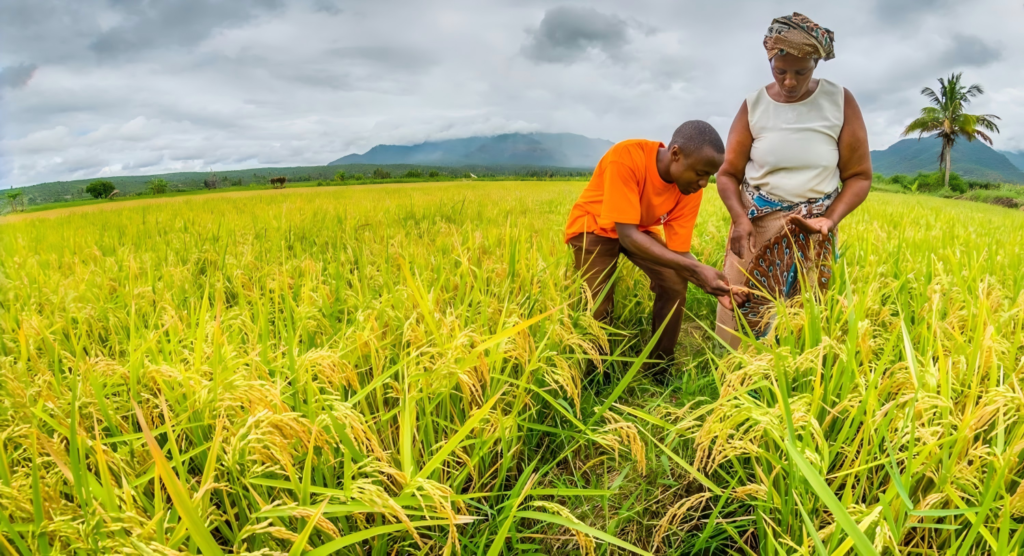
Africa possesses the natural resources, human capital, and agricultural diversity to feed not only itself but also make a significant contribution to global food security. The continent currently holds more than 1.1 billion hectares of agricultural land, representing about 39% of its total land area, while millions of hectares remain underutilized. Yet, Africa continues to spend billions of dollars annually on food imports. The challenge, therefore, is not one of potential, but of policy, productivity, and coordination.
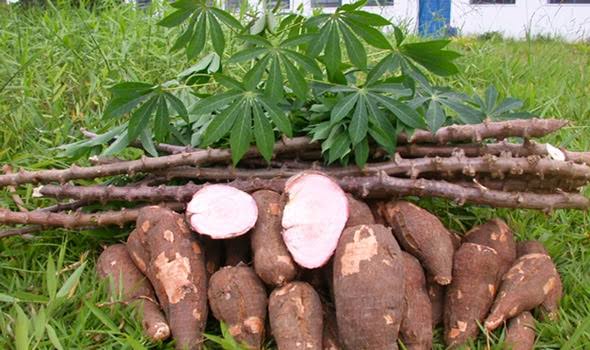
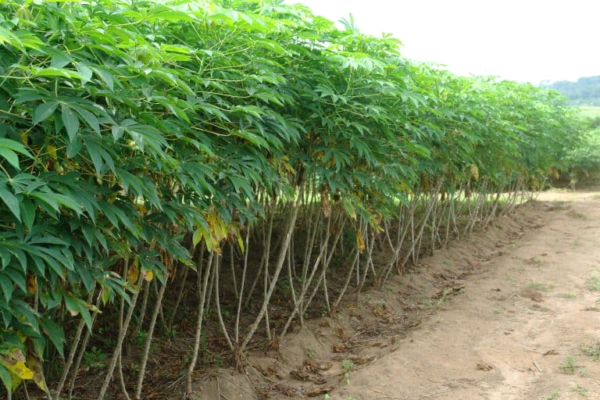
Nigeria offers a compelling example. Agriculture contributes roughly one-quarter of the nation’s GDP and remains the largest employer of labour, engaging nearly half of the workforce. The country is among the world’s leading producers of cassava, yam, sorghum, and several other staple crops, while its 34 million hectares of arable land provide enormous opportunities for expansion and value addition.
If African governments prioritize rural infrastructure, irrigation, mechanization, agricultural extension, digital advisory services, research, and access to finance, the continent could dramatically increase productivity. Reducing post-harvest losses, which remain substantial across many countries, would alone add millions of tonnes of food to the market without cultivating a single additional hectare. Investments in agro-processing would also help retain value within Africa while creating jobs for its rapidly growing youth population.
The future of Africa’s food system depends on deliberate choices. With the right policies, strong institutions, and sustained investment, Africa can move from being a net food importer to a global agricultural powerhouse. The opportunity is before us; the time to act is now.
 Previous Post